Article
Four budgeting best practices to strengthen your Tribal government
Nov. 29, 2020 · Authored by Colleen Rozillis
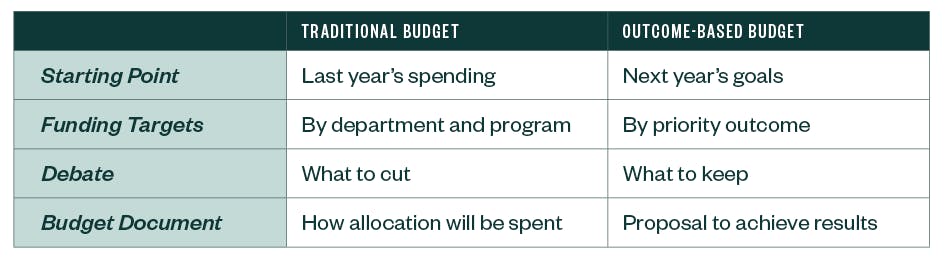
Your Tribal government’s budget is its most important tool for strategic planning and policy implementation. However, it can be challenging to create budgets that are timely, effective, and understood by Tribal Council, management, staff, and members.
Implementing four key budgeting best practices can help bolster your Tribal government — serving as an effective tool for operations, leadership, and accountability.
1. Review ordinances, policies, and procedures
Chances are, your Tribe’s budget ordinance, policies, and procedures haven’t been updated in some time.
Budget ordinances
It’s a best practice for the Tribal Council to review the Tribe’s ordinance every three-to-five years and verify it aligns with current operations and budgeting best practices.
Most Tribal governments’ budget ordinances outline the following:
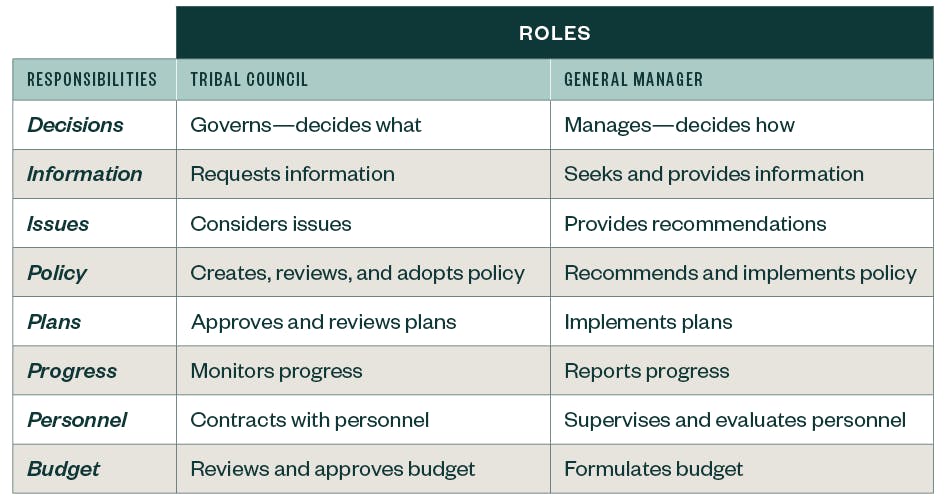
- Authority and roles of the Tribal Council, audit and finance committees, and general manager
- Fiscal-year schedule and budget-completion date
- Opportunity for community input
- Draft-budget review processes
- The Tribal Council’s consideration of the budget
- Budget adoption date and approach
- Expenditure authority
- Reporting requirements
- Budget adjustment thresholds
To be most effective, your budget ordinance should provide a framework for budget development and monitoring and allow for appropriate Tribal Council involvement.
Policies and procedures
Once your Tribe’s ordinance has been updated, it’s time to revisit your policies and procedures.
Policies and procedures are easier to revise over time to better reflect operational changes. At a minimum, your Tribe should have policies and procedures that cover:
- Budget development, monitoring, and reporting