Article
Streamlining utilities management: How dashboards drive operational excellence
June 6, 2025 · Authored by K.C. Fike, Olga Darlington
In the power and utilities sector, connecting critical business data to strategic decisions is essential to remain competitive. However, without the right tools, organizations risk overlooking key insights.
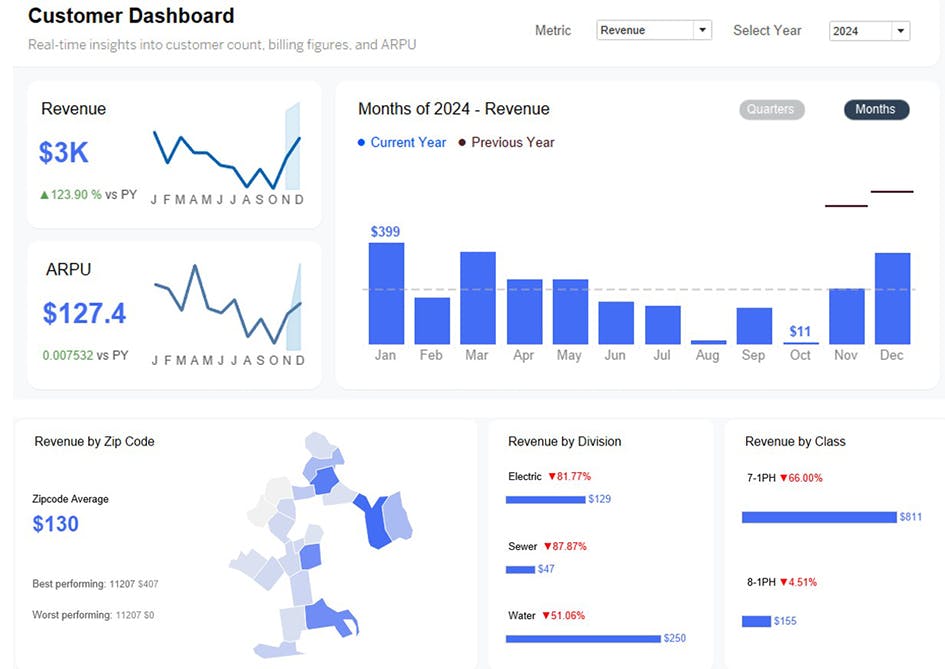
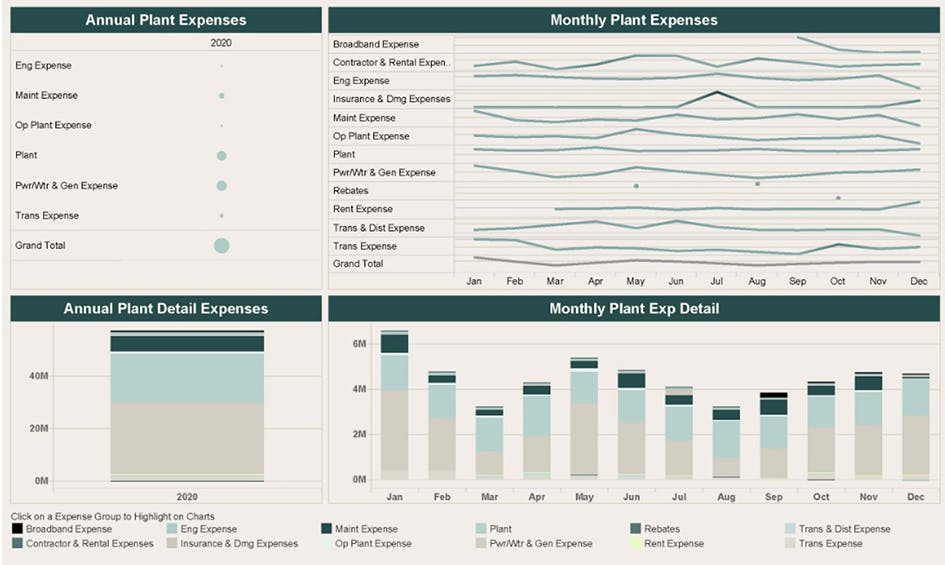
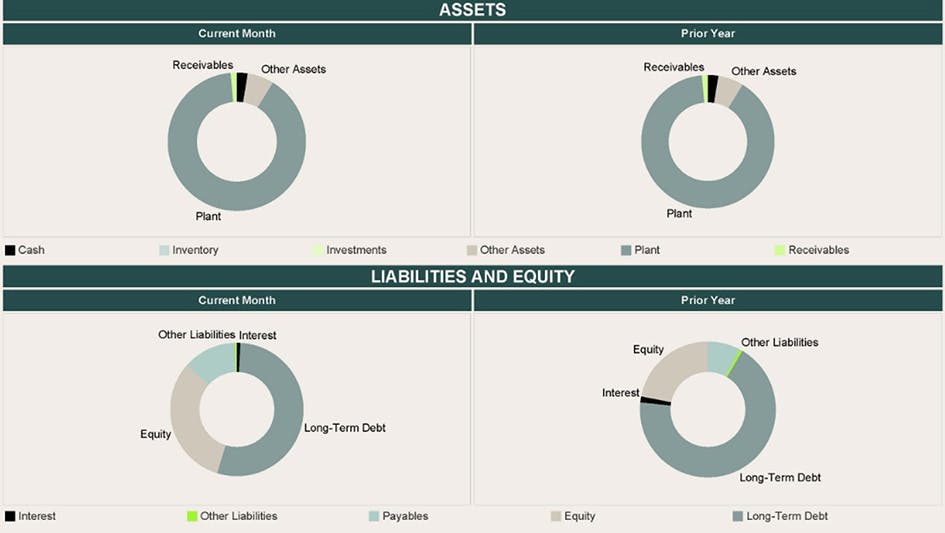
Data visualization tools and dashboards are revolutionizing how utilities access, view, and analyze high volumes of financial and operational data. Modern visualization software, like Power BI and Tableau, can transform manual, spreadsheet-heavy processes into automated, streamlined dashboards and reports to help drive results. Data analytics is a tool that empowers utilities to turn massive data sets into insights that drive organization-wide decision-making.
Explore common financial and operational data challenges in the utilities space and discover how dashboards can help you overcome them to save time, cut costs, and deliver deeper insights.
Industry challenges
Utilities gather immense amounts of data as part of running daily operations, so extracting data, assembling spreadsheets, and building reports are common time-consuming tasks.
Many finance professionals rely on spreadsheets because of their ease-of-use for short-term or experimental analyses; however, these tools come with significant drawbacks. For recurring processes and handling large datasets — such as tracking water distribution costs, electricity generation expenses, or infrastructure maintenance schedules — spreadsheets can create inefficiencies and potential errors, limiting insights and slowing down decision-making.
As spreadsheet-based reporting grows more complex, it often demands increased time and effort, especially when repetitive processes and multifaceted analyses are involved. Over time, these manual processes can consume up to 40+ hours a month, further compounding issues.
This increase in manual handling not only slows workflows but also introduces a higher risk of errors. Modern work pressures — such as distractions, remote work, and a faster pace — can exacerbate these challenges, leading to missed insights or a breakdown in trust regarding reporting accuracy and reliability, ultimately impacting operational effectiveness.
The benefits of dashboards
While spreadsheets will always have their place for quick, one-off tasks, dashboards offer utilities a far more powerful way to manage and interpret data. Developing dashboards specifically tailored to address the unique challenges of the utilities landscape helps answer critical questions with precision.