Article
Get started with environmental, social, and governance (ESG) reporting
March 8, 2023 · Authored by Colleen Rozillis, Jessie Lenhardt
On March 6, 2024, the SEC issued a final rule requiring registrants to disclose climate-related information in their registration statements and annual reports. See additional details in the alert, SEC finalizes climate disclosure rule, published March 12, 2024.
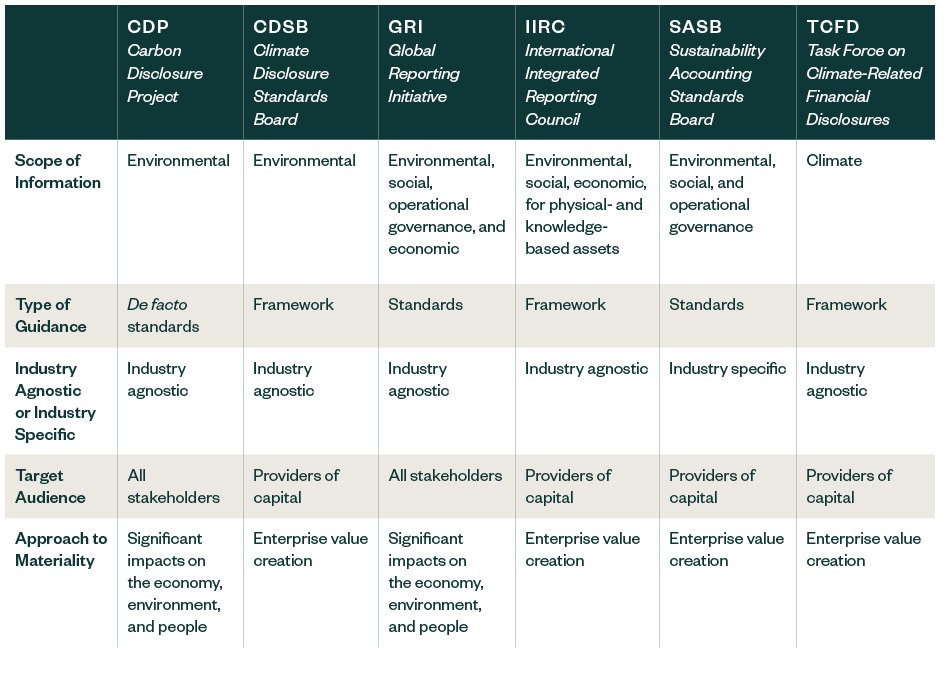
Without globally accepted ESG reporting standards, organizations face challenges. Producing ESG reporting that meets the needs of varied audiences and also works toward improved business outcomes can be confusing with assessments, disclosures, and standards constantly evolving as organizations respond to regulatory and public input.
Below is a breakdown on how to get started with ESG reporting and an update on ESG standards and criteria.
What are your objectives for ESG reporting?
Organizations produce ESG reports or disclose specific metrics for many reasons. Clearly stated objectives for ESG reporting can help meet the informational needs of varied audience types. These objectives can focus on a singular requirement or be more comprehensive and include data for an entire ESG reporting program or strategy.
Noting that reporting objectives can evolve over time is also important. As processes for data collection mature and information requirements are refined, continued improvement remains an integral part of the reporting cycle. A multiphase approach to ESG standards can meet both short- and long-term objectives.
Meet a compliance or customer requirement
Public companies or related subsidiaries operating in certain jurisdictions should stay privy to the evolving regulatory environment to comply with emerging requirements.

Related sections