Article
Having a conversation with YOUR data
Dec. 9, 2019
The evolution from business intelligence to analytics
Unfortunately, the struggle continues for business users. Business Intelligence (BI), perhaps better known as Decision Support, remains complicated, slow and resource intensive. However, do not blame the front-end. We will discuss traditional Data Management, the real culprit, a bit later.
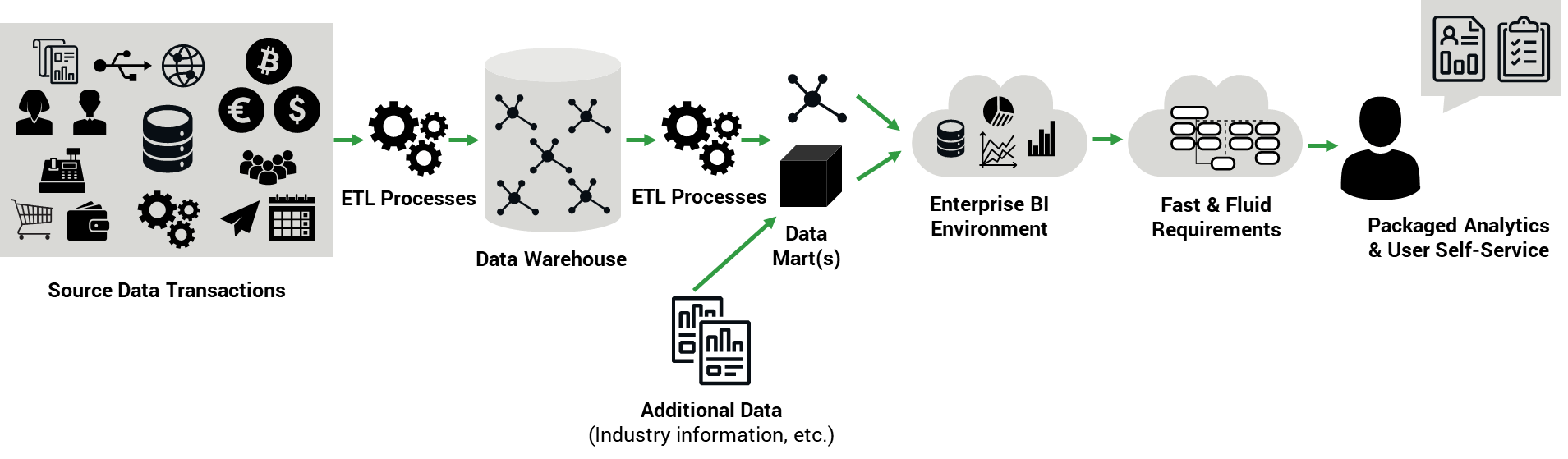
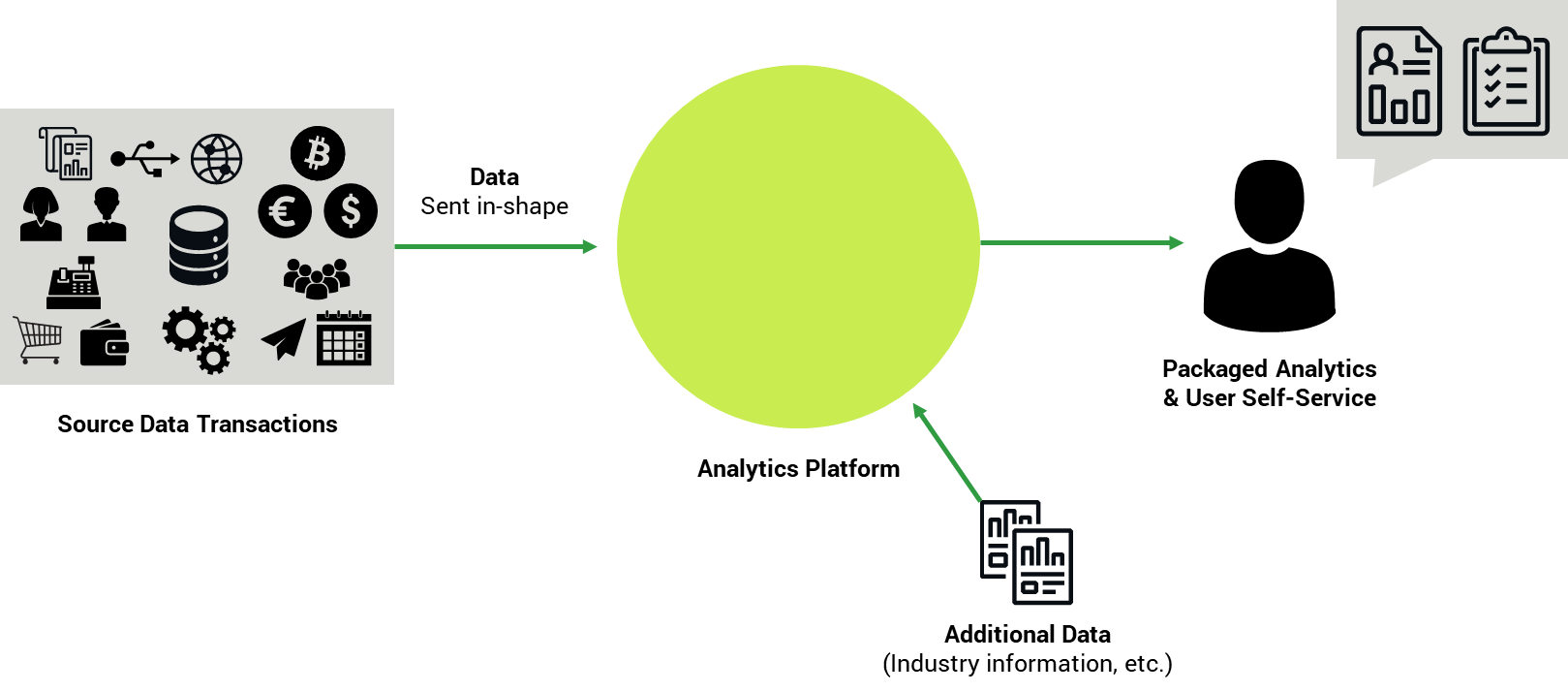
What do we mean by BI? For some, BI is the data warehouse. For others, BI provides dashboards or reports. For this discussion, we define BI as the technology infrastructure used to help businesses make better decisions. In essence, BI is the plumbing that connects users to necessary data.
BI often enables the following:
- Enterprise Performance Management (EPM)
- Enterprise Data Warehousing (EDW)
- Business reporting, including dashboards, scorecards, predictive analytics and data mining
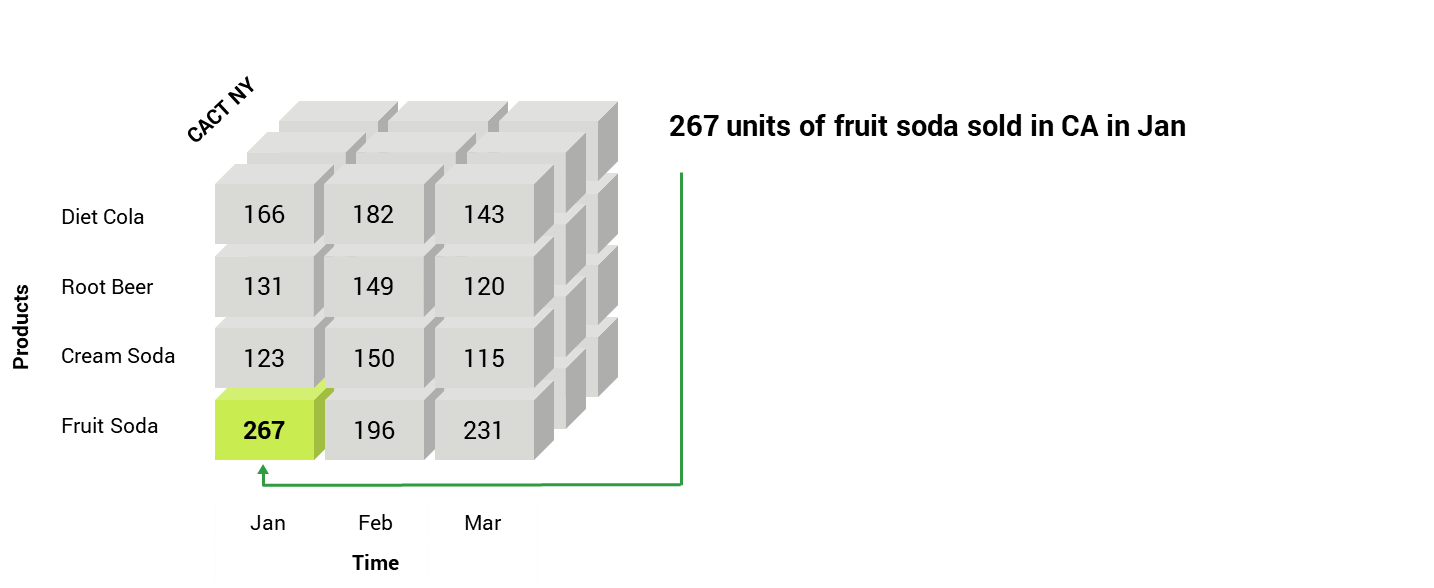
- On-Line Analytical Processing (OLAP); i.e. “cubes”
Together, these technologies enable an organization’s ability to create, maintain, analyze and report accurate information about the business. That information is used for forward-facing activities such as budgeting and forecasting.
Driving all of the above is the persisting need to analyze.
From mainframes to analytics – a quick history
Once upon a time, we ran our businesses via mainframe computers. Essentially, these machines were massive servers. Traditional data meant files, lots and lots of files, because the databases we take for granted today did not exist. These files, often referred to as data sets, had structure, were controlled by parameters, and had associated methods of access. Programmers were required to write specific, sophisticated code, using these access methods to make applications work.
During the 1970s, scientists thought through a simpler, more organized approach called the relational model. This model could be accessed via a common method called structured query language or SQL. Usage of the relational database management system (RDBMS) and SQL proliferated shortly thereafter.
Though originally meant to support transaction processes, such as those found in an Enterprise Resource Planning (ERP), the RDBMS became a sort of Swiss Army Knife for all forms of data. In addition to transaction systems, the RDBMS eventually became the standard for analytics, with the advent of the data warehouse.
Related sections