Article
Overview of private foundations: Definitions, income classifications, and more
March 29, 2021 · Authored by Wendy Campos, Claire Kidd
Private foundations provide a strategic charitable planning option for individuals who want to manage and increase funds while they make a positive impact on their communities. That said, starting a foundation can be overwhelming, and choosing the right foundation structure for your long- and short-term goals is a key part of its overall benefit.
In our article, gain insight into foundation types, income classifications, tax requirements, donor deductions, and other key factors to help you establish a private foundation that aligns with your personal and financial goals.
The following questions are addressed:
- What is a private foundation?
- How do you start a private foundation?
- What are the types of private foundations?
- How much does a private nonoperating foundation have to distribute each year?
- What is the minimum investment return (MIR)?
- What are qualifying distributions?
- How is income classified for private foundations?
- What is the excise tax on private foundations?
- Are private foundations subject to unrelated business income taxes (UBIT)?
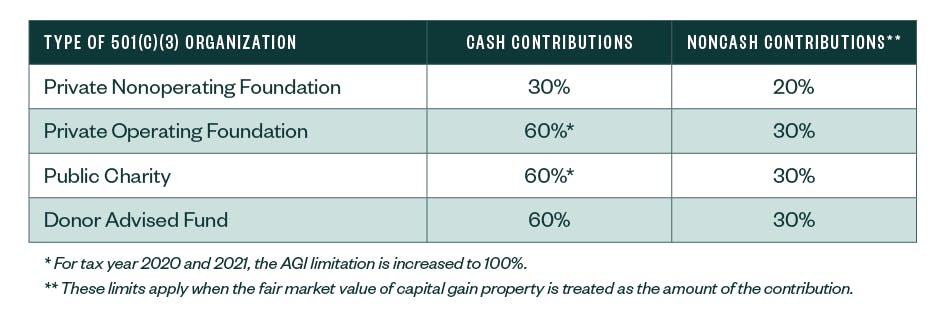
- When can donors take a charitable tax deduction?


Corporations can boost brand and do good with a corporate foundation
The information provided here is of a general nature and is not intended to address the specific circumstances of any individual or entity. In specific circumstances, the services of a professional should be sought. Tax information, if any, contained in this communication was not intended or written to be used by any person for the purpose of avoiding penalties, nor should such information be construed as an opinion upon which any person may rely. The intended recipients of this communication and any attachments are not subject to any limitation on the disclosure of the tax treatment or tax structure of any transaction or matter that is the subject of this communication and any attachments.