Article
Tap into the potential of your data automation to find greater insight
Aug. 28, 2022 · Authored by Loren Den Herder
Data and business analytics can drive value and agility when used strategically. Access to organized, readily available and regularly updated data can help a business respond to insights gathered from the data.
Automating and standardizing data analysis can help your organization better understand trends, free up time, and inform strategy.
What is data automation?
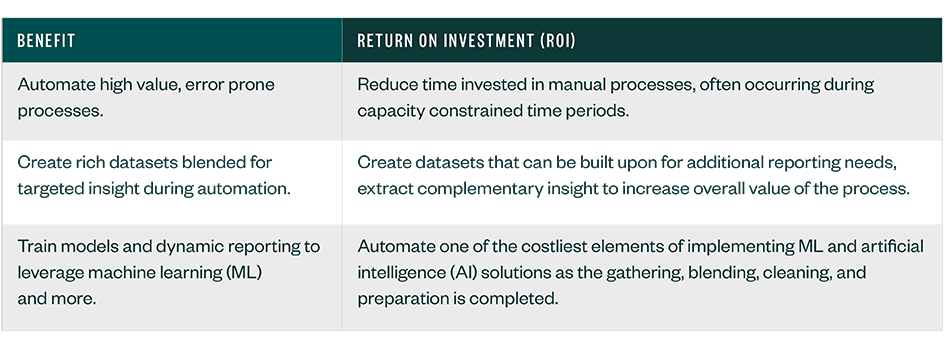
Data analysts can spend a significant amount of time on data collection, data cleaning, and data organization. Data automation can eliminate manual processes — downloading, integrating, and organizing data from various systems — for significant time savings.
To take your data analytic strategy to the next level, your brick-and-mortar store or e-commerce business should take advantage of cloud-based data storage solutions, such as Amazon, Google, or Microsoft. Data from these platforms can be downloaded into a data warehouse that can act as a utility and expand as your data needs grow.
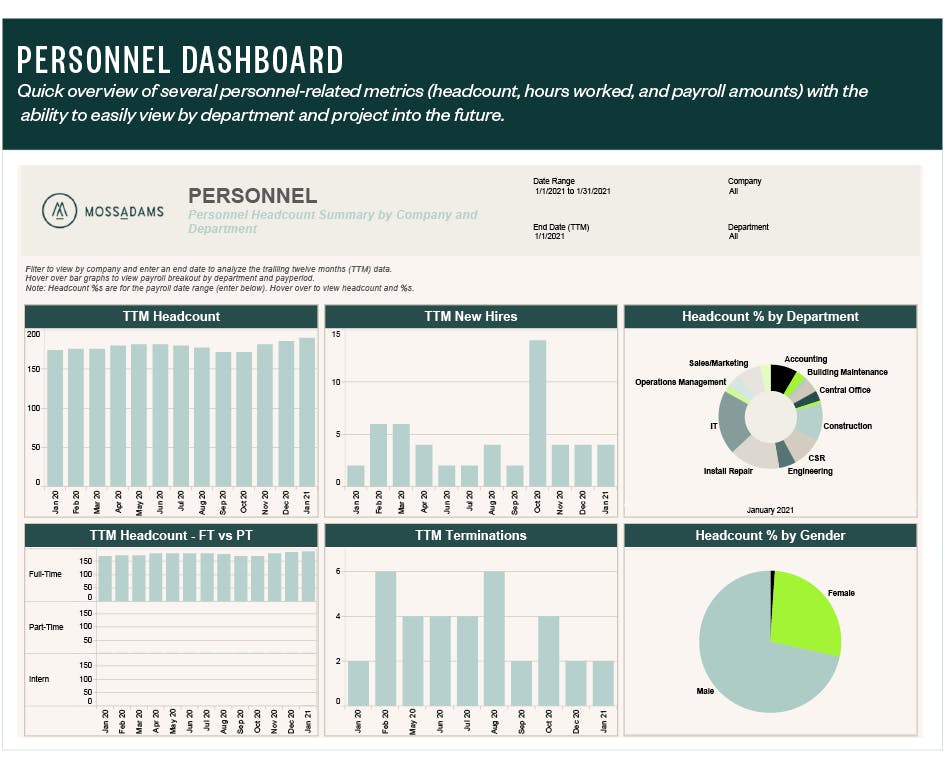
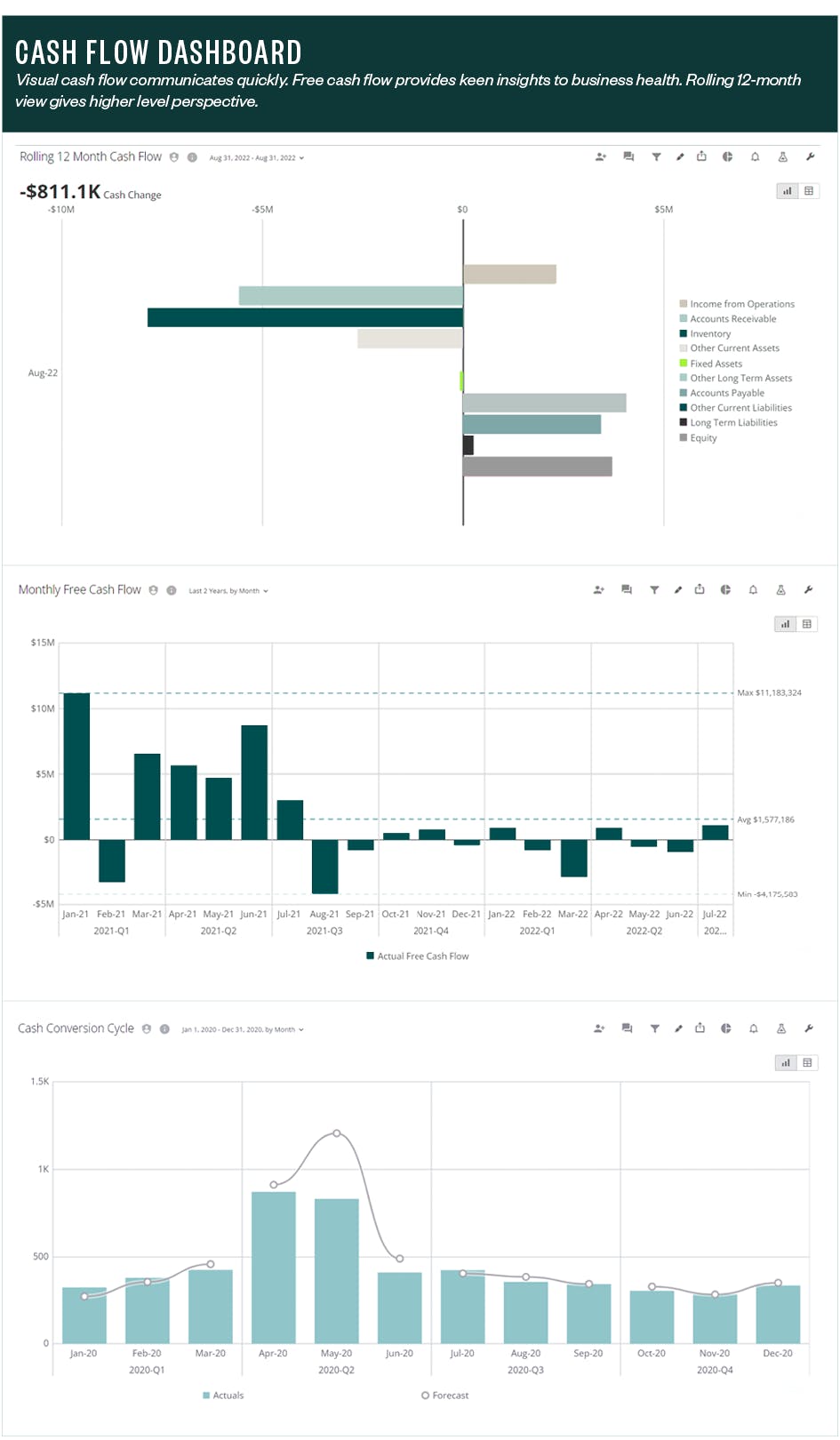
Once all data is collected into a single source — the data warehouse — you can transform it using a reporting engine, such as Tableau, Power BI, Domo, QuickSight, or various other data analytics platforms. These tools can help establish standardization without the use of spreadsheets.
Standardized management of your data allows your organization to see the same sets of data, and all stakeholders can be on the same page. This can be a powerful way of running a retail business and helps you move forward and monitor your strategy.
What is analytic process automation (APA)?
Analytic process automation refers to tools such as Alteryx, Microsoft Power Automate, and Tableau Prep. It functions by automating the process of compiling and preparing data from multiple source systems and sharing the data via a data analytics platform throughout an organization.