
Article
Moving to a cloud data warehouse using Microsoft Azure
Oct. 13, 2022
Implementing a data warehouse in the cloud using Microsoft Azure technologies can help companies of all sizes move to a modern cloud data platform while leveraging the value created in an existing on-premises data warehouse.
Azure Data Lake for source data organization
Benefits of a data lake
- Simple access and cost-effective storage for scalable sourcing of data over time
- Standardized format and consistency across the organization
- Format offerings include open-source options, such as Apache Parquet
- Partitioning of data in patterns can be performed in-line with big data best practices
- Access can be distributed business-wide
- Implementation early in the process allows for rapid and agile development and provides a way to reload the data model from a history of immutable data
Azure Data Lake Generation 1 and 2
While Azure Data Lake Generation 1 provides a solid solution for storing and organizing source data, Generation 2 (1) offers an improved product:
- Generation 2 can read and write faster (2) than Generation 1
- Generation 2 also stores data the same way as other Azure storage services, allowing users to access data using a variety of familiar methods
Use Azure data factory for orchestration
General architecture
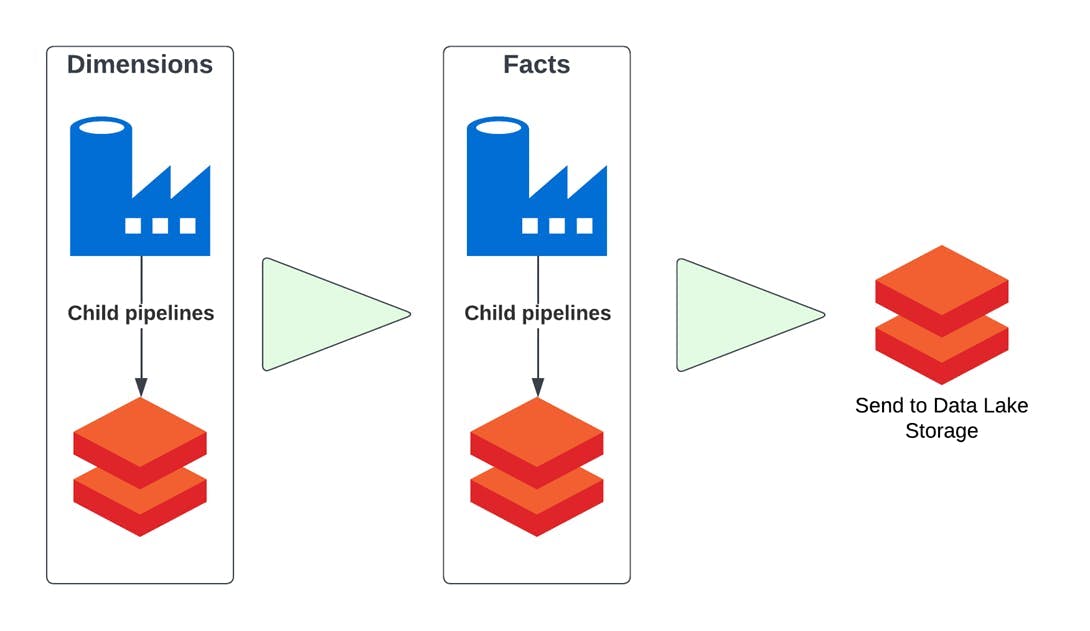
What is Azure Data Factory?
Azure Data Factory (
Related sections
Article Tags
