Article
How tax-exempt entities can access cash payments from renewable energy credits
Jan. 12, 2023 · Authored by Matt Kaden
The Inflation Reduction Act of 2022 includes almost $400 billion in federal tax credits and other incentives aimed at reducing carbon emissions and accelerating the United States’ energy transition away from fossil fuels.
While renewable energy developers are perhaps the largest and most direct beneficiaries of the act’s tax credits and incentives, the act presents significant opportunity for rural electric cooperatives, municipal utilities, Tribal organizations, and other tax-exempt entities that can benefit from the refundable tax credit or direct pay provisions of the new Section 6417 of the Internal Revenue Code (IRC).
Learn more about the available renewable energy-related credits as well as considerations tax-exempt entities may need to assess should they opt to pursue direct pay provisions.
What is direct pay and how can it benefit an organization?
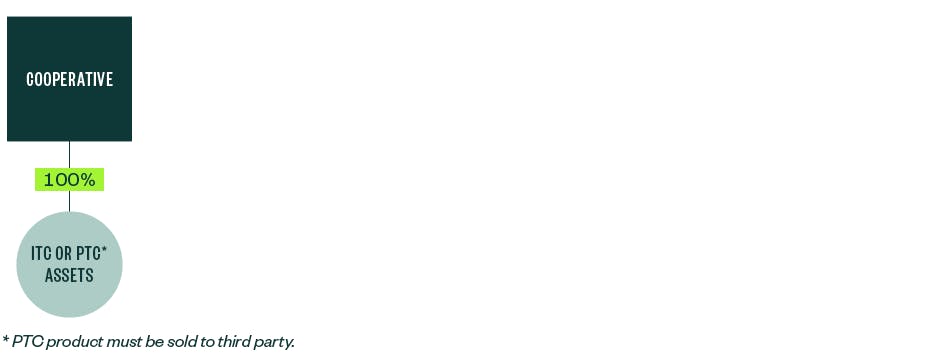
If an applicable entity makes a direct pay election, the amount of the tax credit is treated as a deemed payment of tax, which for a not-for-profit entity without taxable income, results in a cash refund payable by the government.
The refund will be paid after the tax return for the applicable year is filed.
For solar and wind technology, as well as energy storage, this direct cash payment is only available to applicable entities, which include rural electric cooperatives, municipal utilities, and other tax-exempt entities — such as local and Tribal governments, and Alaskan Native Corporations.
What credits are refundable to tax-exempt entities under section 6417?
With respect to renewable power generation, there are two main types of tax credits made refundable to cooperatives, municipal utilities, and other tax-exempt entities by Section 6417 — the investment tax credit (ITC) and the production tax credit (PTC).

Related sections
The information provided here is of a general nature and is not intended to address the specific circumstances of any individual or entity. In specific circumstances, the services of a professional should be sought. Tax information, if any, contained in this communication was not intended or written to be used by any person for the purpose of avoiding penalties, nor should such information be construed as an opinion upon which any person may rely. The intended recipients of this communication and any attachments are not subject to any limitation on the disclosure of the tax treatment or tax structure of any transaction or matter that is the subject of this communication and any attachments.